


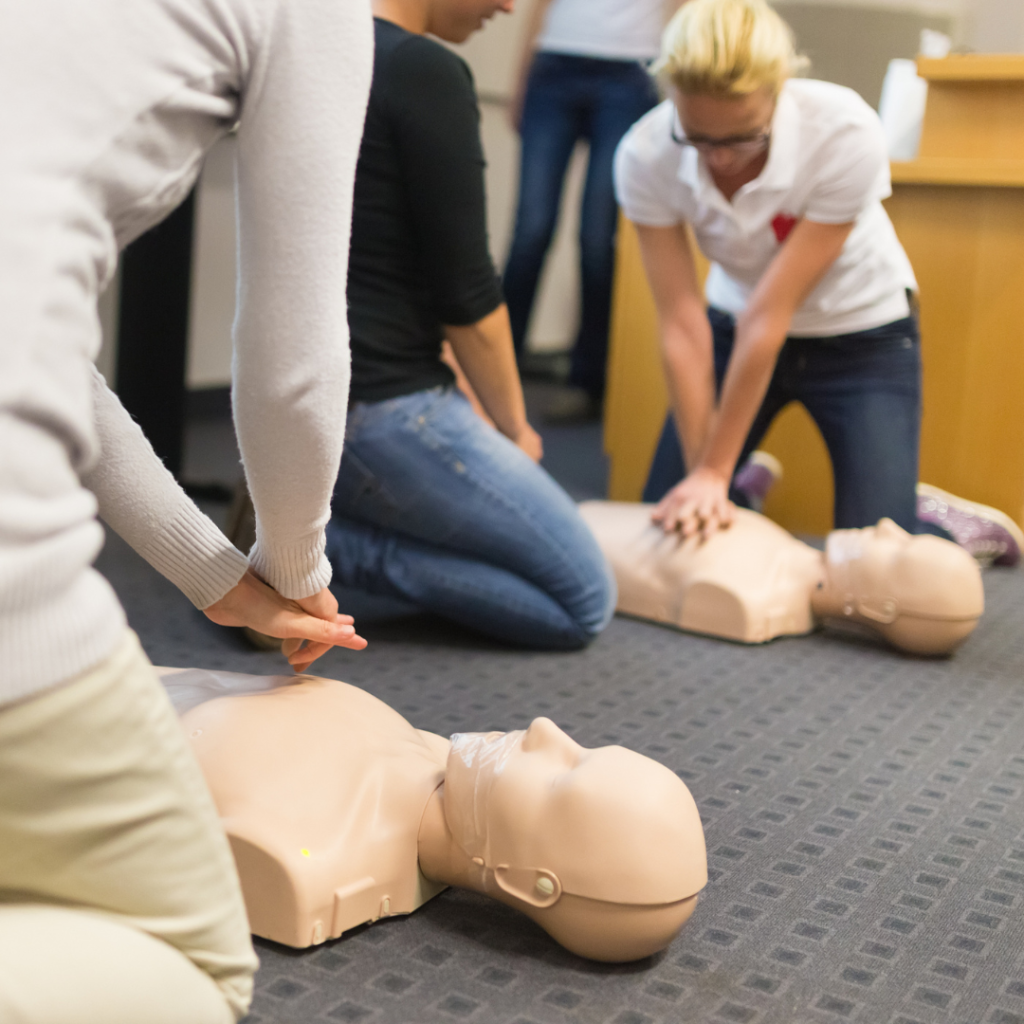
First aid in the classroom starts with preparation before an incident happens. A visiting teacher or classroom assistant should know how to summon trained help, how the school manages pupil medical information and what to do if a lesson is interrupted by illness or injury.
You do not need to wait for an emergency to ask these questions. For supply staff moving between Birmingham schools, the arrangements may change from one placement to the next. This guide explains what to clarify during induction and how to keep your role within the school’s procedures.
First aid in the classroom: understand the school’s arrangements
The Department for Education’s first-aid guidance for schools explains that provision should reflect a first-aid needs assessment. It also highlights the importance of telling staff where equipment and facilities are located and how to contact the responsible people.
Ask who is available to provide first aid during your placement and how you can reach them promptly. Find out what happens if that person is absent or supporting another incident. Do not assume that a colleague is trained simply because they usually deal with minor injuries.
Our article on supply-teacher first-aid training explains why preparation matters. Clarify which training is relevant to your responsibilities and tell the school accurately what training you hold.
Check how to request help from your classroom
Know the practical route to assistance. Is there a classroom telephone, radio or another agreed system? Check that you can use it and identify what to do if it is unavailable. Ask which member of staff should be contacted for an urgent concern.
Confirm how the class will remain supervised if an incident needs adult attention. Discuss this with the class teacher or responsible lead rather than creating a new arrangement during the lesson. The plan should be clear to everyone supporting the class.
In an emergency, call 999 when necessary and follow the call handler’s instructions. Summon school assistance immediately and act within your competence and training. This article does not replace practical first-aid training or the school’s emergency procedures.
First aid in the classroom: read relevant pupil information
Ask for the medical information you need to carry out your role safely. This may include an individual healthcare plan and the agreed response to a pupil’s known condition. Make sure you understand who is authorised and trained to provide the specified support.
First-aid arrangements and administering medicines are not interchangeable. Follow the school’s policy, the pupil’s plan and the instructions for your role. If an instruction is unclear, raise it before the lesson rather than relying on what happened in another school.
Keep sensitive information secure and share it only through approved channels. Our safety guidance for teaching assistants provides further context on preparation and communication across the school team.
Prepare for the lesson’s environment
A science activity, PE lesson or outdoor task may involve different arrangements from a classroom discussion. Check the teacher’s instructions, relevant risk information and the location of support before starting. Report missing equipment or unclear responsibilities to the appropriate colleague.
Good coordination matters when several adults are involved. Courtyard Escapes’ article on sharing information and coordinating as a team offers a broader perspective on clear roles under pressure. For school incidents, that means knowing who requests help, who supports pupils and who follows up.
Keep access routes clear and avoid placing your belongings where staff need to reach equipment. Ask practical questions early, especially if the class is moving to an unfamiliar room or another part of the site.
Record and report through the correct process
After an incident, follow the school’s arrangements for recording what happened and informing the responsible colleague. Keep the account factual: what you observed, when it happened, who was contacted and what action you took. Do not add a diagnosis or speculation.
Confirm whether anything further is needed before leaving the placement. An incident record does not replace an immediate safeguarding report when a concern also needs that response. If you need clarification about preparing for school placements, contact Secured Supply to discuss the information and support you should receive before starting.