


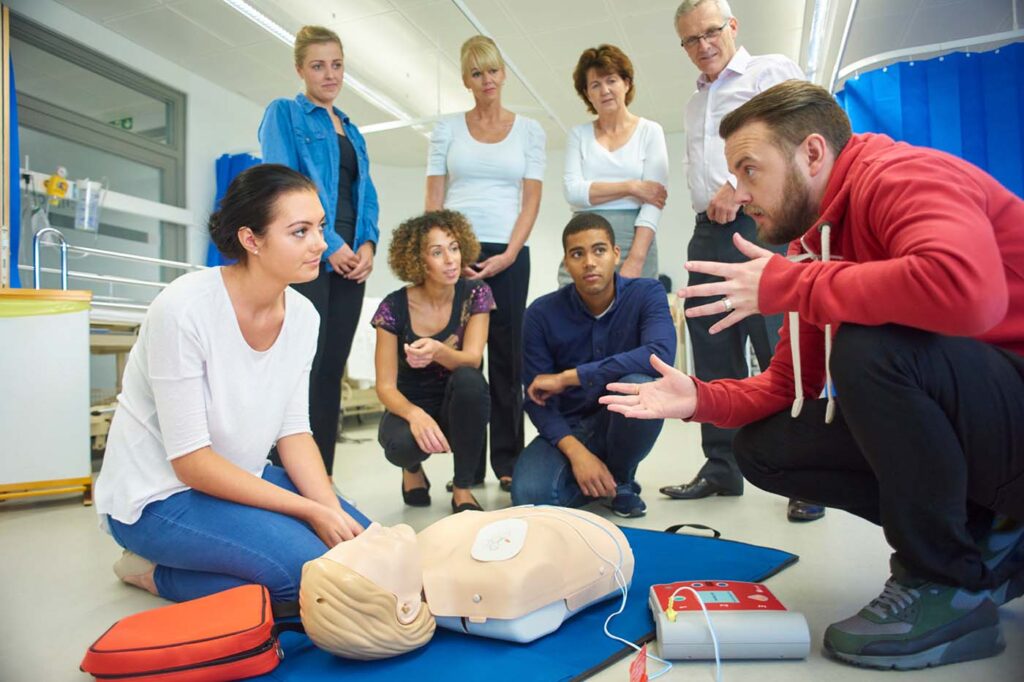
Teachers play a pivotal role in the lives of children, not only by educating them but also by ensuring their safety and well-being while they are in school. One often-overlooked responsibility of teachers is their ability to respond quickly and effectively in emergencies. This is where supply teacher first aid training becomes essential.
From playground accidents to medical emergencies in the classroom, teachers are frequently on the front lines when it comes to student safety. Having the knowledge and confidence to administer first aid can make a significant difference, sometimes even saving lives. In this blog, we’ll explore the key reasons why first aid training is crucial for teachers and how it can improve the overall safety and preparedness of schools.
Why SupplTeachers Need First Aid Training
Schools are dynamic environments with hundreds or even thousands of students. With so many children of varying ages, medical conditions, and activity levels, accidents and emergencies are inevitable. The following are some of the main reasons why first aid training is a must for teachers:
Immediate Response to Emergencies
In many medical emergencies, such as severe allergic reactions, asthma attacks, or choking, the first few minutes are critical. Teachers who are trained in first aid can provide immediate care before professional medical help arrives. For example:
- CPR (Cardiopulmonary Resuscitation) can be the difference between life and death during a cardiac arrest.
- Knowing how to use an EpiPen in the event of anaphylaxis can prevent fatal allergic reactions.
- Teachers can help control bleeding, immobilise injuries, or assist in cases of choking or seizures until paramedics arrive.
This quick action can stabilise the child and significantly improve the outcome.
Increased Confidence in Handling Accidents
First aid training helps assistant teachers feel more confident when handling common accidents that occur on school grounds, such as cuts, scrapes, sprains, or burns. Without proper training, even minor injuries can become stressful situations for both the supply teacher and the injured child. With first aid skills, teachers can calmly assess the situation, administer appropriate care, and ensure the student’s comfort until further help is available.
Recognising Signs of Serious Medical Conditions
Some medical conditions, like asthma, diabetes, or epilepsy, are common among school-aged children. Teachers who are trained in first aid can quickly recognise the early signs of these conditions and take appropriate action to prevent the situation from worsening. For example, they can:
- Identify the symptoms of an asthma attack and help the child use their inhaler.
- Recognise the signs of low blood sugar in diabetic students and offer assistance.
- Respond appropriately to seizures and ensure the child’s safety during an epileptic episode.
With this knowledge, teachers can provide timely support and potentially prevent a medical crisis.
First Aid for Mental Health Crises
First aid training for teachers is expanding to include mental health first aid, which is becoming increasingly important in schools. Mental health challenges, including anxiety, depression, and even self-harm, are becoming more prevalent among students. Teachers trained in mental health first aid can recognise the warning signs of a student in distress and offer initial support until professional help can be accessed.
This type of training equips teachers with the skills to approach mental health concerns with empathy, help students feel safe, and guide them to appropriate resources.
Preparedness for Natural Disasters or Emergencies
Schools may also face natural disasters, such as earthquakes, fires, or severe weather events, that require immediate evacuation or emergency procedures. First aid training ensures that teachers are well-prepared to handle injuries or medical issues that may arise during these chaotic events. They can provide basic first aid while waiting for emergency services to arrive or while evacuating students to safety.
Key Components of Supply Teacher First Aid Training
Supply teacher first aid training courses typically cover a wide range of emergency situations. While the specific content of the course may vary, most training programs include the following key components:
CPR and AED Training
Knowing how to perform CPR and use an Automated External Defibrillator (AED) is a crucial skill for anyone working in schools. These lifesaving techniques can help revive someone who has gone into cardiac arrest and buy time until professional help arrives.
Wound Care and Bleeding Control
From playground falls to accidents in the classroom, children are prone to cuts, scrapes, and more serious injuries. Teachers are taught how to properly clean wounds, apply bandages, and control bleeding to prevent infections and further injury.
Choking Relief
Choking is a common hazard in schools, especially for younger children. Teachers learn how to perform the Heimlich maneuver (abdominal thrusts) to clear a child’s airway in the event of choking.
First Aid for Allergic Reactions
Allergic reactions, particularly to foods, insect stings, or environmental triggers, can be life-threatening. Teachers are trained to recognise the signs of an allergic reaction and how to administer epinephrine using an EpiPen to prevent anaphylaxis.
Handling Burns, Sprains, and Fractures
Burns, sprains, and fractures are common injuries in active school environments. Teachers are taught how to apply first aid to these injuries, including cooling burns, splinting fractures, and stabilising sprains.
Recognising Symptoms of Illnesses
Teachers learn to identify the symptoms of common childhood illnesses that may require immediate action, such as asthma attacks, seizures, or diabetic emergencies. This knowledge allows them to act quickly and get students the help they need.
7. Mental Health First Aid
With rising concerns about students’ mental well-being, mental health first aid is becoming a key component of many first aid programs. Teachers are trained to recognise signs of emotional distress, depression, anxiety, and self-harm, and to offer initial support.
How Often Should Teachers Receive First Aid Training?
First aid training for supply teachers is not a one-time event. To ensure skills remain fresh and effective, it’s recommended that teachers refresh their training every 2 to 3 years. This allows them to stay updated on new first aid techniques and advancements in medical knowledge. Additionally, regulations in some countries or states may require regular first aid training as part of teacher certification.
Conclusion
First aid training is a vital skill that every teacher should possess. It prepares educators to handle the wide range of medical and safety emergencies that can arise in a school setting. Whether it’s providing CPR during a cardiac emergency, stopping a severe allergic reaction, or assisting with mental health crises, teachers equipped with first aid knowledge are better able to protect the health and safety of their students.
By investing in a supply teacher first aid training, schools not only ensure that they are complying with safety regulations, but also empower their staff to save lives and create a safer learning environment for all.